Field LedgerFlora
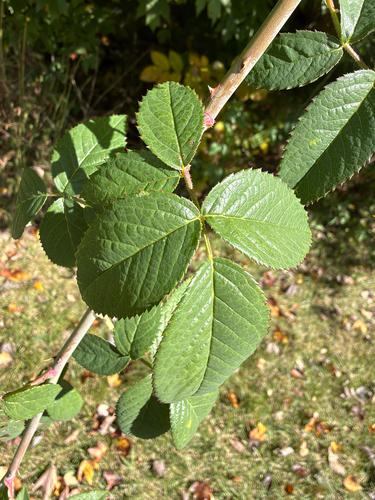
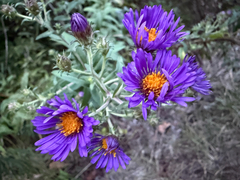
Photo temporarily unavailable
- Edible1/3
- Toxic1/3
- Native3/3
- Utility2/3
- Ecology3/3
- Allergy1/3
Effects & relationships
- Observed
- Oct 17, 2026
Turn for field notes
No. 128841 Uncommon
Local field profile
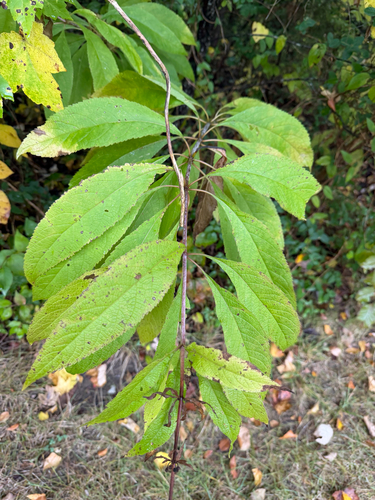
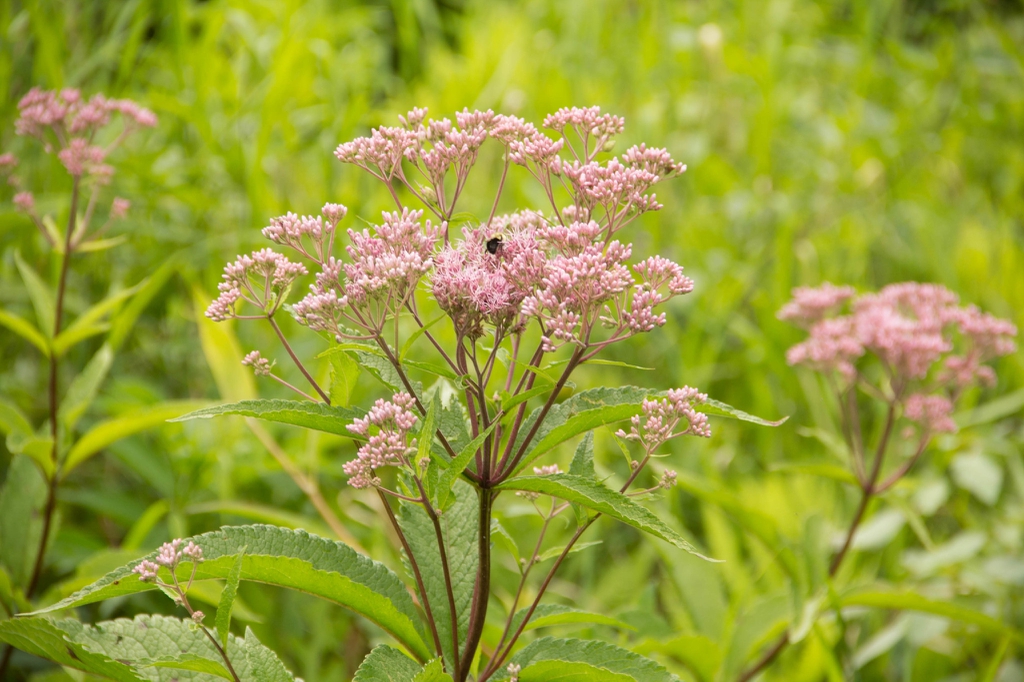
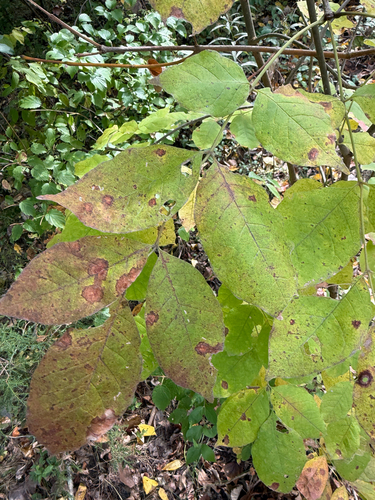
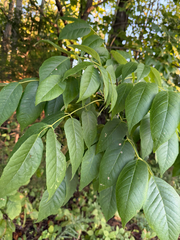
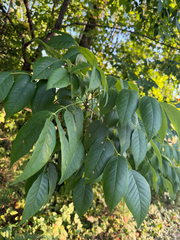
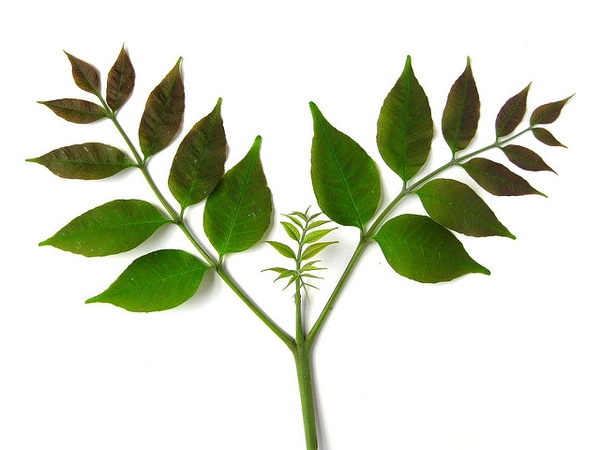
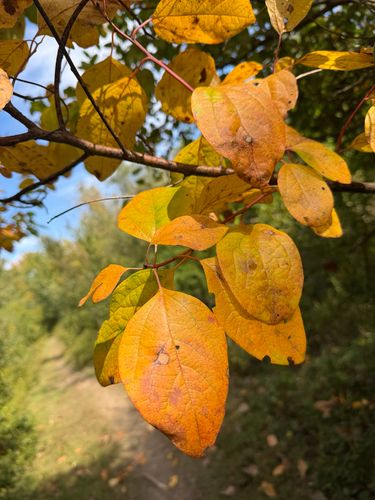
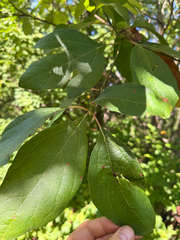
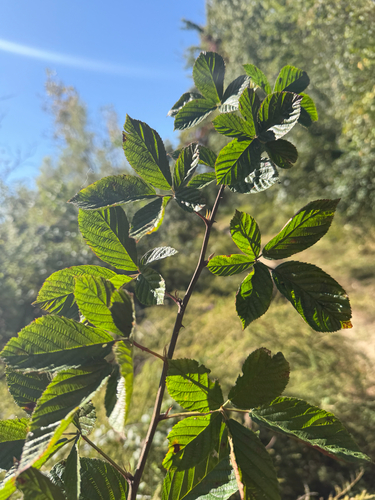
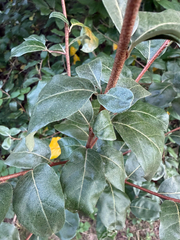
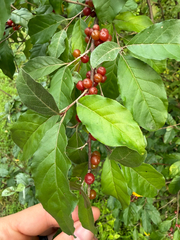
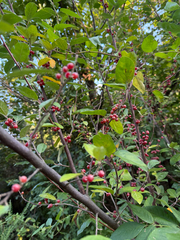
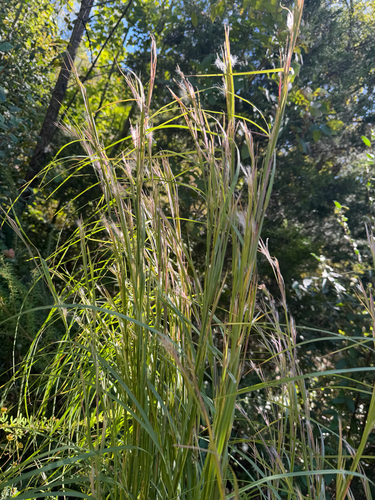
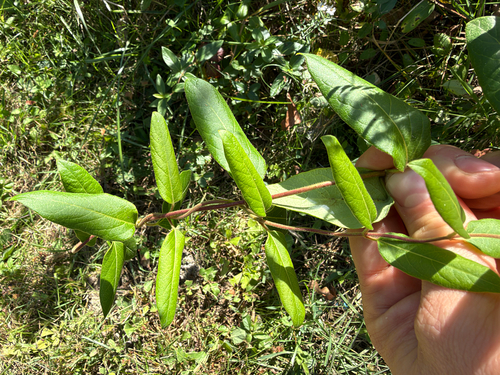
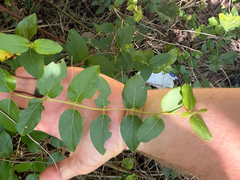
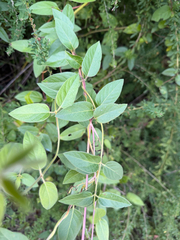
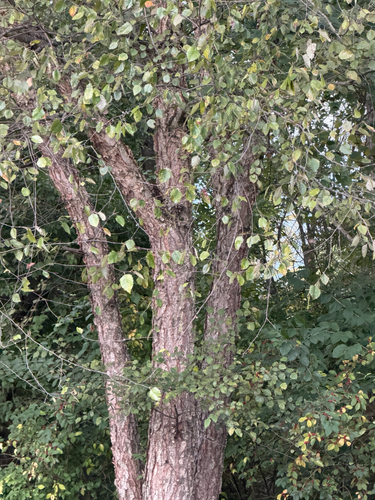
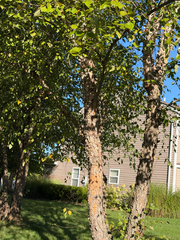
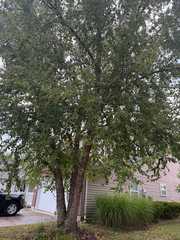
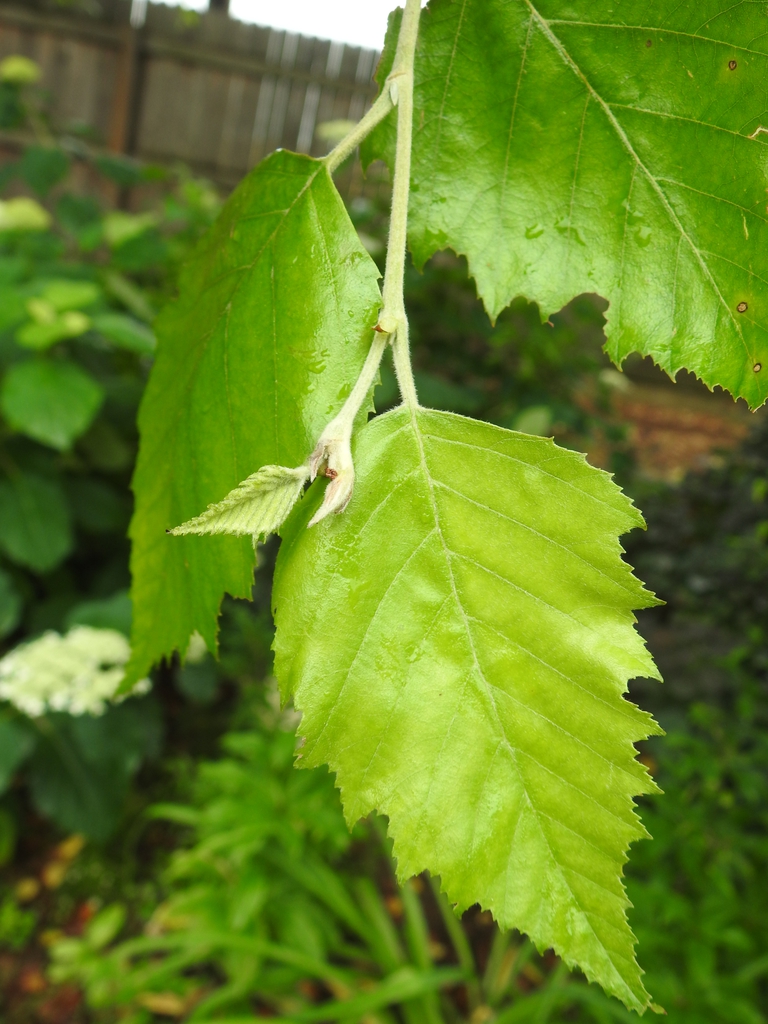
climbing prairie rose
KLY-ming PRAIR-ee ROHZ
Rosa setigeraMarsh Cir, Loveland, OH, US
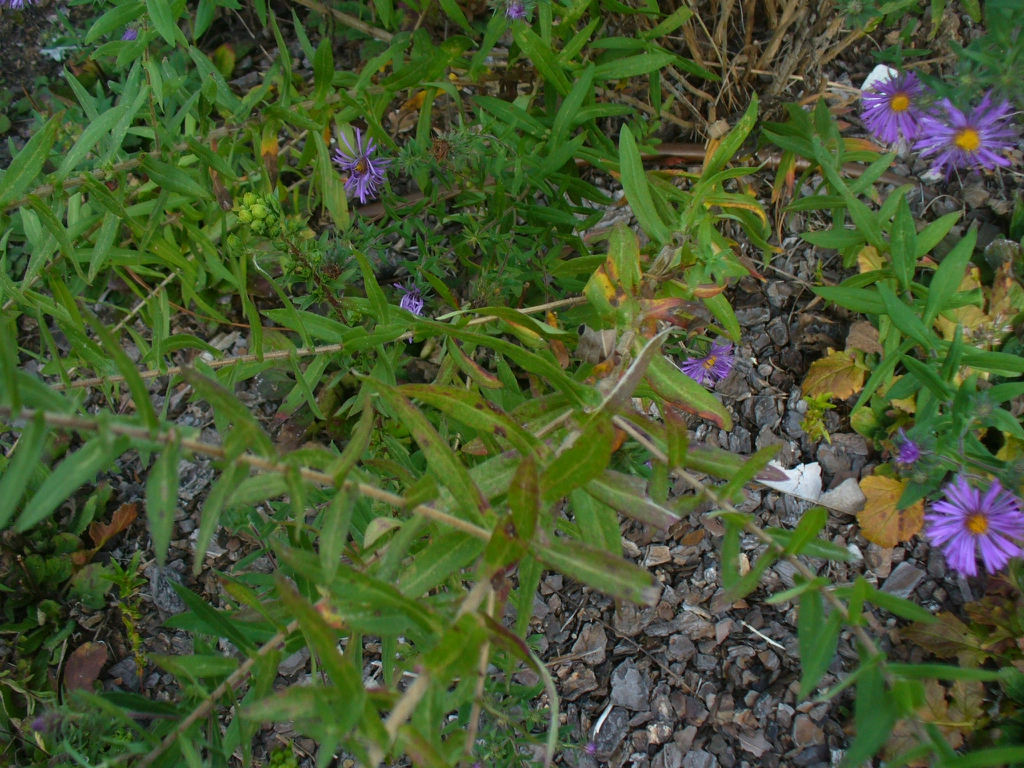
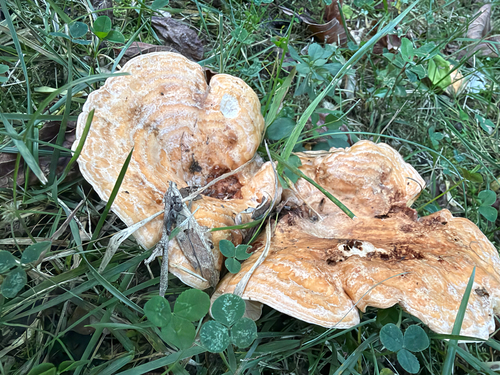
More of your photos (1)
From this observation and others with the same identification. Tap to view on iNaturalist.
- Life cycle
- Perennial. Perennial plants live for more than two years. Perennial does not guarantee winter survival in every climate.NC State↗NC State↗
- For people
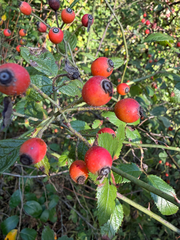
- Correctly prepared rose hips have food uses, while prickles make the plant useful as a living barrier.NC State↗USFS↗Ohio↗
- Human history & craft
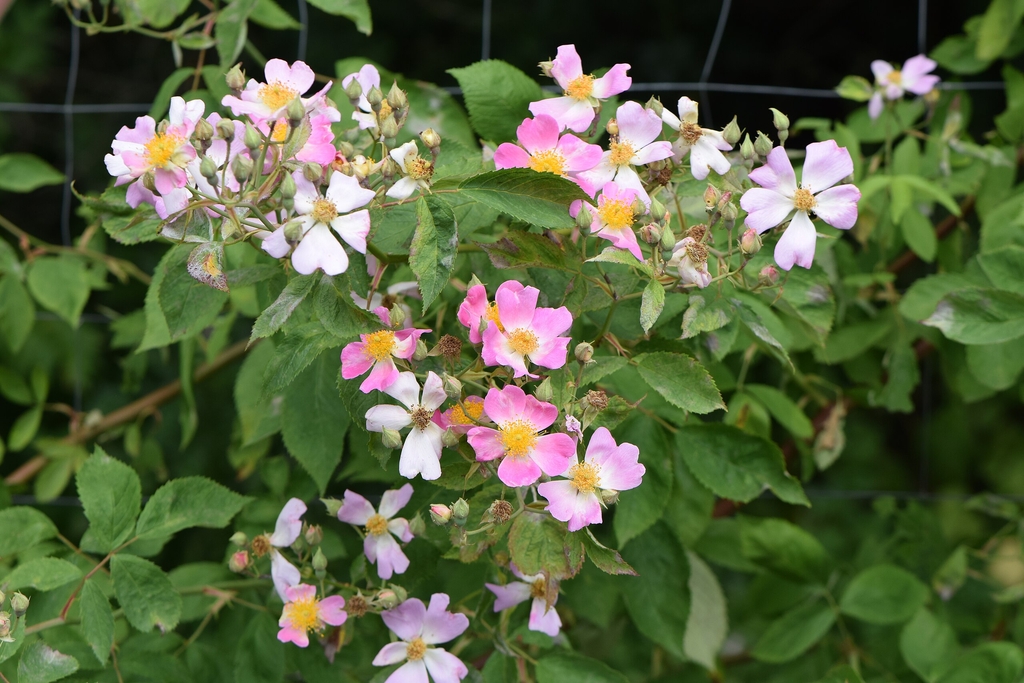
- Known as one of North America's few climbing native roses; roses more broadly symbolize love, beauty, and secrecy.NC State↗USFS↗Ohio↗
- Indigenous knowledge & use
- Arapaho documentation describes wild-rose petals and preparations, orange root dye, winter stalks for arrows, and a sacred role in the pipe and Sun Dance. The source discusses wild rose broadly, so these uses are not claimed specifically for Rosa setigera.CU Boulder↗
- Medicinal history
- Current references report no species-specific ethnobotanical record for Rosa setigera. Medicinal traditions involving other roses should not be assumed to apply to this species.NC State↗USFS↗Ohio↗
- For the ecosystem
- Flowers serve pollinators, hips feed wildlife, and dense prickly stems provide nesting and escape cover.NC State↗USFS↗Ohio↗
Regional context: Southwestern Ohio and eastern North America
Only documented numeric ratings appear on this card. Omitted categories have insufficient evidence.
Reference notes only—not identification, medical, or foraging advice.