Showing 12 of 32 identificationsOne card per identification. Latest observed sighting matching this filter on the front; more photos on the back. Unidentified sightings stay separate.

Rarity by worldwide iNaturalist sightings

  • Common 10,000+
  • Uncommon 1,000–9,999
  • Rare Under 1,000

How often an identification is recorded; local abundance can differ.

Field LedgerFlora

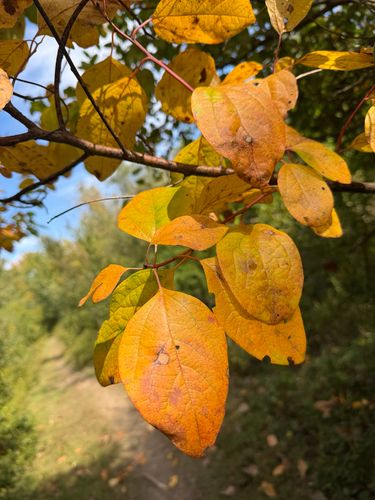
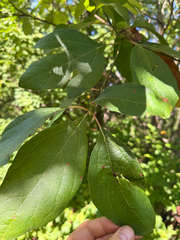
sassafras

Sassafras albidum

SAS-ah-fras AL-bih-dum

Life cyclePerennial↗

sassafras
CommonResearch grade
  • Edible1/3
  • Toxic1/3
  • Native2/3
  • Utility2/3
  • Ecology2/3

Effects & relationships

  • Watch for: Bark-oil caution. Bark contains safrole, linked to cancer in experimental animals; culinary leaf history does not make bark preparations safe.↗

  • For you: Flavor and timber history. Leaves have recorded culinary use; wood has furniture and boat uses.↗

  • Around you: Leaves, fruit, and nests. Hosts swallowtail and imperial-moth larvae, feeds fruit-eating wildlife, and offers dead stems for nesting bees.↗
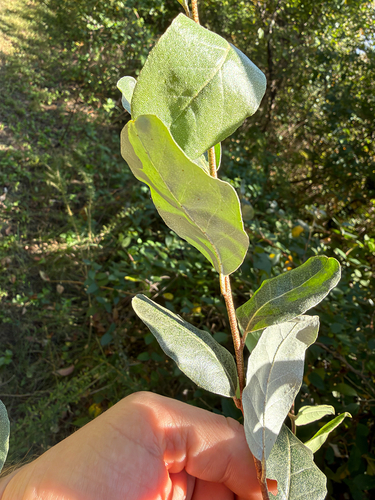
Observed
Oct 12, 2026
Field LedgerFlora

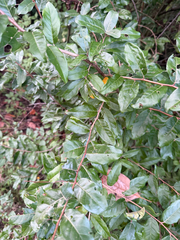
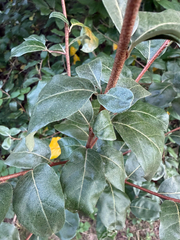
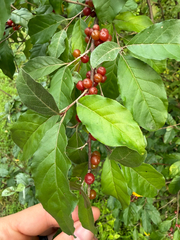
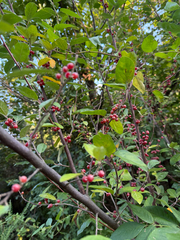
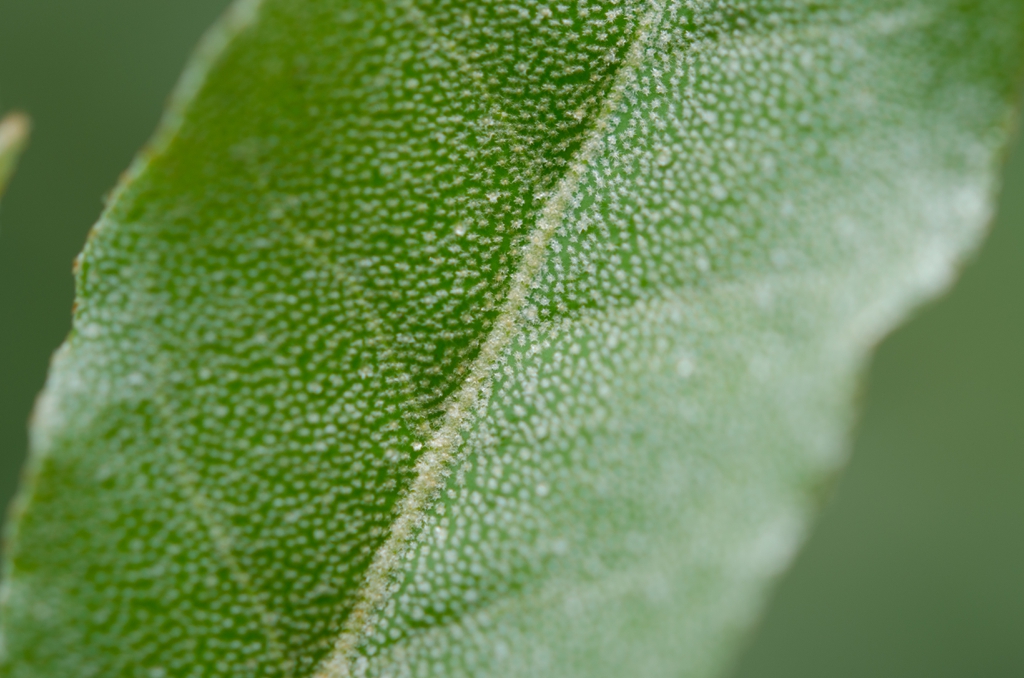
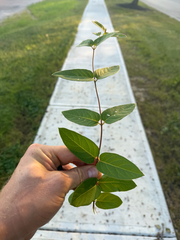
autumn olive

Elaeagnus umbellata

AW-tum OL-iv

Life cyclePerennial↗

autumn olive
CommonResearch grade
  • Edible3/3
  • Toxic0/3
  • Native0/3
  • Utility2/3
  • Ecology1/3
  • Allergy1/3

Effects & relationships

  • For you: Fruit with a responsibility. Tart ripe berries have jam, sauce, and fruit-leather uses; moving seeds can spread the shrub.↗

  • Around you: Soil-changing invader. Nitrogen-fixing roots favor growth on poor soils; birds disperse seeds and help invasive thickets spread.↗

Observed
Oct 8, 2026
Field LedgerFlora

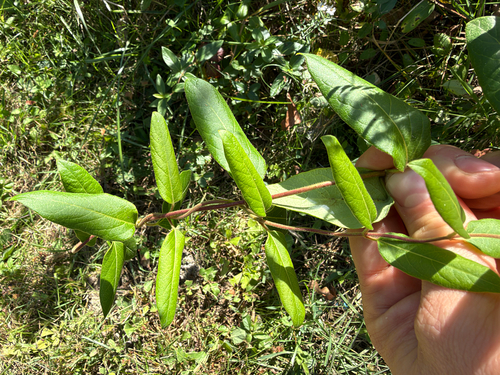
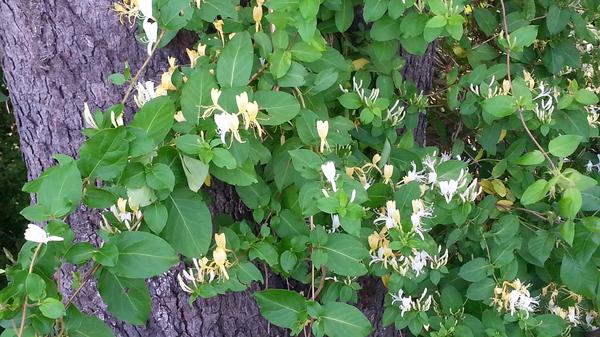
Japanese honeysuckle

Lonicera japonica

jap-uh-NEEZ HUN-ee-suk-ul

Life cyclePerennial↗

Japanese honeysuckle
CommonResearch grade
  • Edible1/3
  • Toxic2/3
  • Native0/3
  • Utility3/3
  • Ecology1/3
  • Allergy1/3

Effects & relationships

  • Watch for: Do not eat the berries. Fruit contains saponins and can cause serious symptoms when eaten in quantity.↗

  • Around you: Smothering climber. Dense vines suppress native plants and stop tree seedlings, despite feeding some wildlife.↗

  • For you: Fiber from removal. Removed vines have basket and cordage uses; their invasive growth is the main local concern.↗

Observed
Oct 8, 2026
Field LedgerFlora

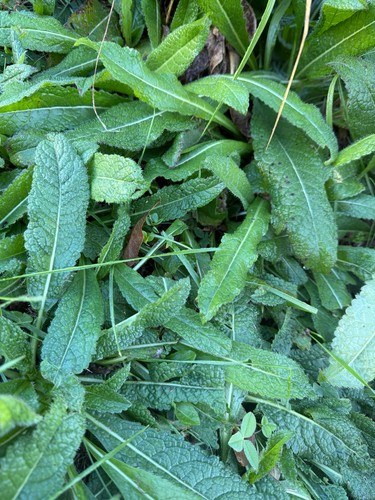
wild teasel

Dipsacus fullonum

KOM-un TEE-zul

Life cycleBiennial / Perennial↗

wild teasel
CommonResearch grade
  • Edible1/3
  • Native0/3
  • Utility1/3
  • Ecology1/3

Effects & relationships

  • Around you: Meadow takeover. Dense stands crowd out native prairie and savanna plants, turning a roadside curiosity into a habitat problem.↗

  • For you: Spiny keepsake. Dried heads appear in arrangements, but prickles complicate handling and moving seeded heads can spread the plant.↗

  • Know the context: One bloom, many descendants. Grows as a rosette, flowers once, and can produce thousands of seeds before dying.↗

Observed
Oct 7, 2026
Field LedgerFlora

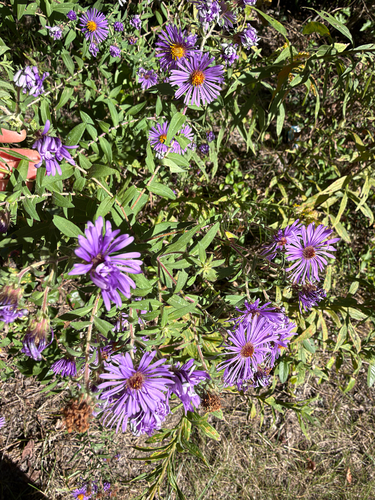
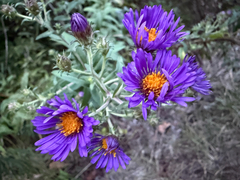
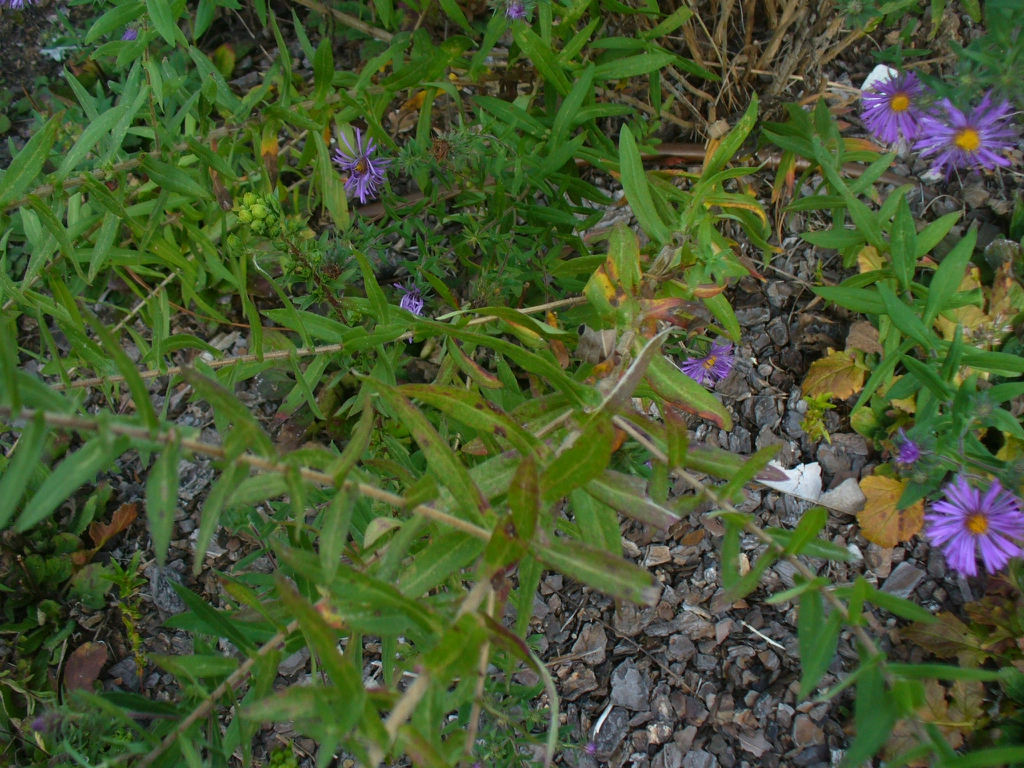
New England aster

Symphyotrichum novae-angliae

new ENG-land AS-ter

Life cyclePerennial↗

New England aster
CommonResearch grade
  • Edible0/3
  • Toxic0/3
  • Native3/3
  • Utility2/3
  • Ecology3/3
  • Allergy1/3

Effects & relationships

  • Around you: Late-season fuel. Flowers feed migrating monarchs, native bees, and hover flies when many summer blooms are over.↗

  • Around you: Caterpillar nursery. Leaves host pearl crescent caterpillars; seeds feed birds and small mammals.↗

  • For you: Rain-garden color. A native pollinator-garden plant; tall stems may need staking or spring pinching.↗

Observed
Oct 6, 2026
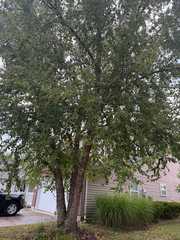
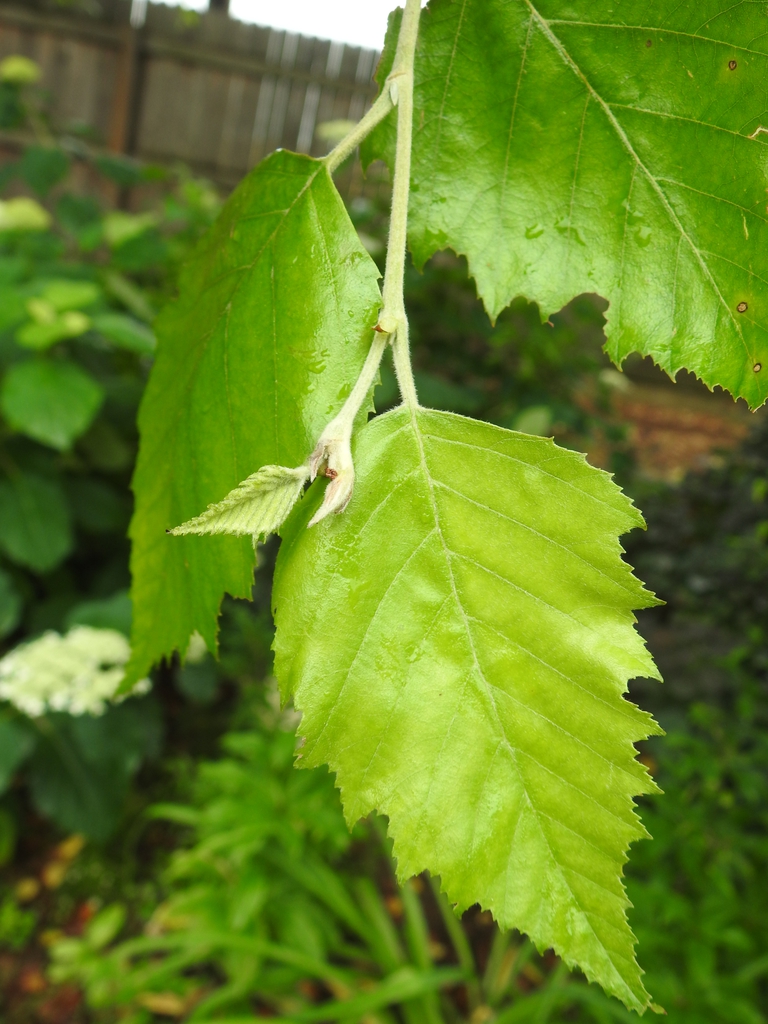
Field LedgerFlora

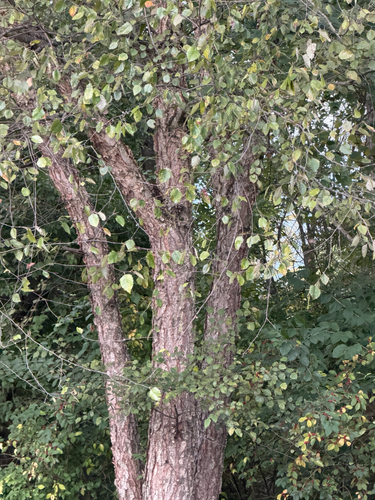
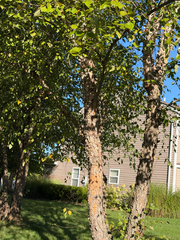
river birch

Betula nigra

RIV-er BURCH

Life cyclePerennial↗

river birch
CommonResearch grade
  • Edible1/3
  • Toxic0/3
  • Native3/3
  • Utility3/3
  • Ecology3/3
  • Allergy3/3

Effects & relationships

  • For you: Rain-garden workhorse. Native wet-ground tree used for erosion control, furniture, basket hoops, fuel, and small wooden goods.↗

  • Around you: Riverbank pantry. Leaves host butterfly larvae; seeds and catkins feed birds and rodents, while deer browse young growth.↗

  • Watch for: Major spring allergen. Windborne birch pollen is a strong allergy source and can be involved in pollen-food cross-reactions.↗

Observed
Sep 30, 2026
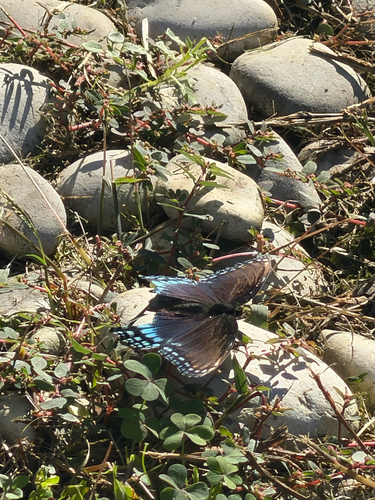
Field LedgerInsects

Red-spotted Admiral

Limenitis arthemis

Red-spotted Admiral
CommonResearch grade
  • Native2/3
  • Ecology2/3

Effects & relationships

  • Around you: Tree-leaf nursery. Caterpillars feed on birch, willow, and poplar, tying this native butterfly to woodland trees.↗

  • For you: Two looks, one species. Includes white-admiral and red-spotted-purple forms, making wing variation part of the observation story.↗

Observed
Sep 28, 2026
Field LedgerFlora

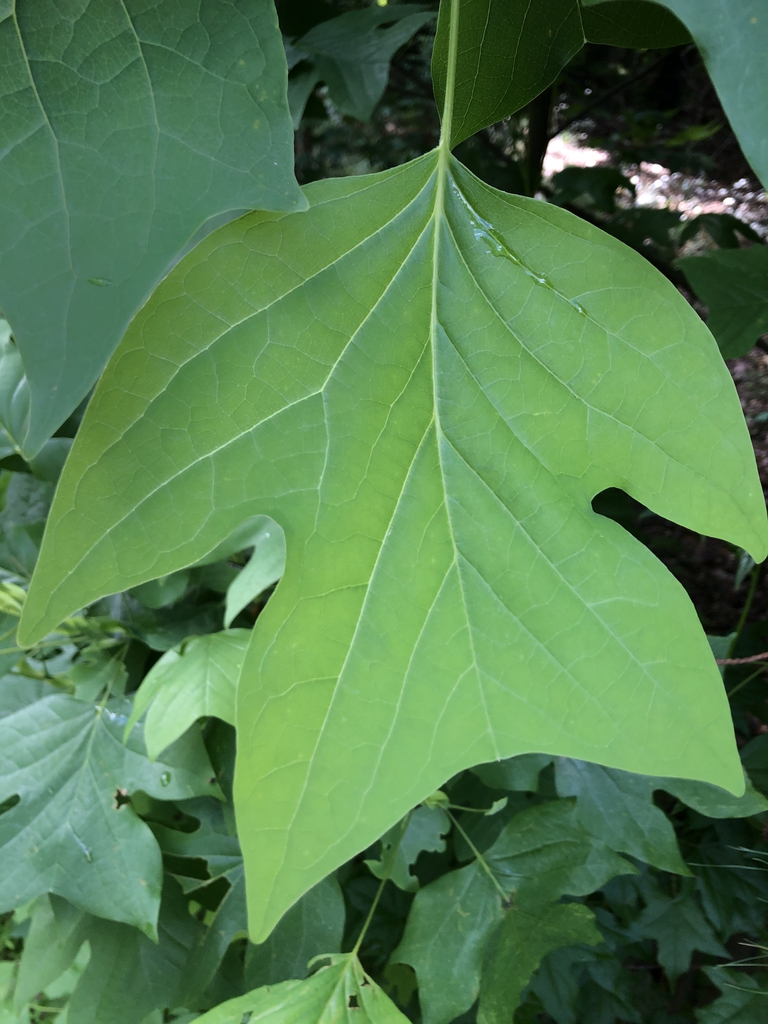
American tuliptree

Liriodendron tulipifera

lir-ee-o-DEN-dron tew-lip-IF-er-a

Life cyclePerennial↗

American tuliptree
CommonResearch grade
  • Native3/3
  • Utility3/3
  • Ecology2/3
  • Allergy2/3

Effects & relationships

  • For you: Wood for everyday things. Timber supplies furniture, plywood, boats, veneer, and paper.↗

  • Around you: Wildlife gathering tree. Documented visitors include bees, butterflies, hummingbirds, songbirds, and small mammals.↗

  • Watch for: Wood-contact allergy. A clinical case documents allergy to tulip-tree wood; this is a handling concern, not a pollen claim.↗

Observed
Sep 27, 2026
Field LedgerFlora

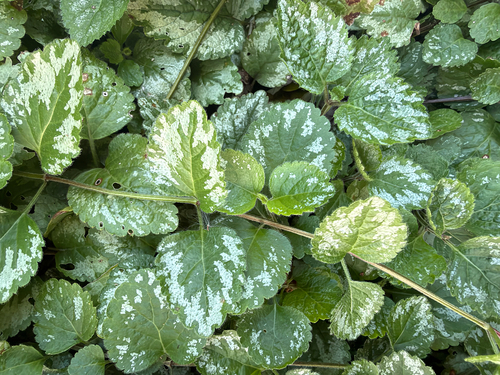
yellow archangel

Lamium galeobdolon

Life cyclePerennial↗

yellow archangel
CommonResearch grade
  • Native0/3
  • Utility1/3
  • Ecology1/3

Effects & relationships

  • For you: Containment burden. Formerly grown as groundcover and in hanging baskets; escaped plants can be difficult to contain.↗

  • Around you: Understory takeover. Rooting stems form dense mats; King County documents native-plant displacement in the Pacific Northwest.↗

Observed
Sep 27, 2026
Field LedgerFlora

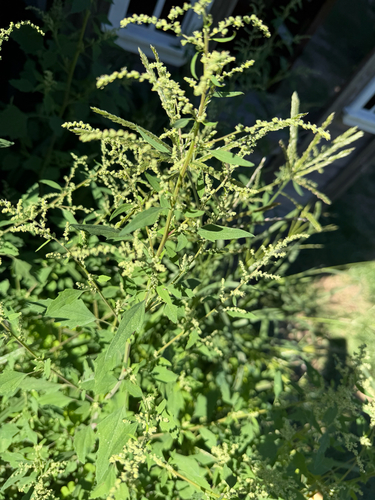
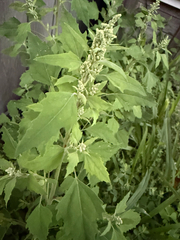
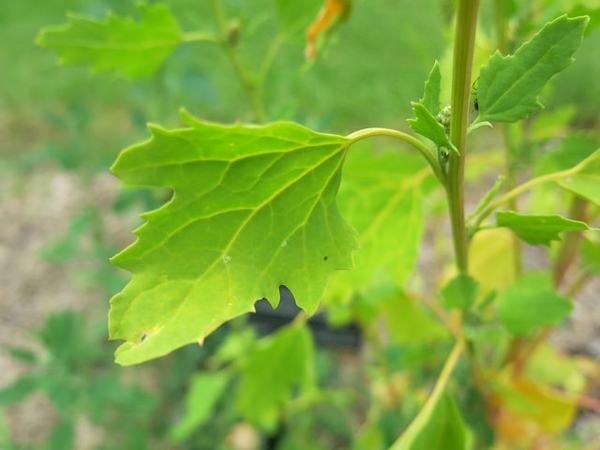
Common Lambsquarters

Chenopodium album

LAMZ-kwor-terz

Life cycleAnnual↗

Common Lambsquarters
CommonResearch grade
  • Edible2/3
  • Toxic1/3
  • Native0/3
  • Utility2/3
  • Ecology2/3
  • Allergy3/3

Effects & relationships

  • Watch for: Pollen season. Windborne pollen contains recognized allergens and can contribute to seasonal symptoms.↗

  • For you: Greens with conditions. Young growth and seeds have food uses, but identification and preparation matter; large raw servings can cause harm.↗

  • Around you: Weed into wildlife food. Leaves feed caterpillars; abundant seeds feed songbirds and small mammals.↗

Observed
Sep 27, 2026
Field LedgerFlora

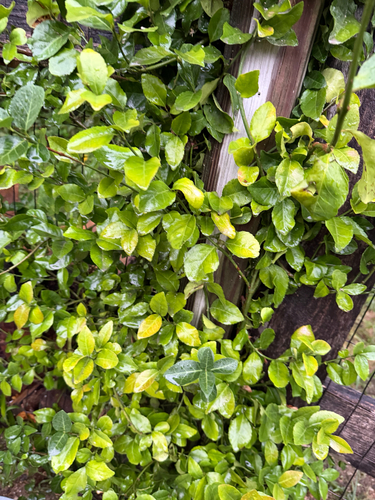
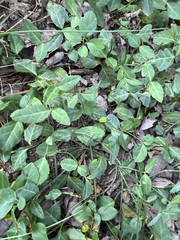
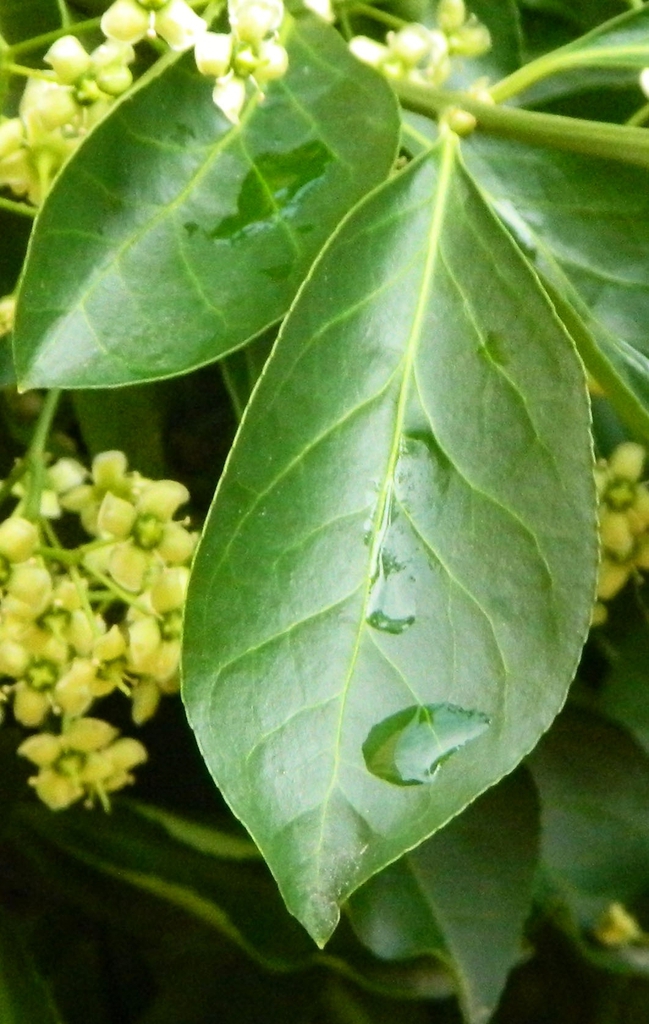
fortune's spindle

Euonymus fortunei

WIN-ter-kree-per

Life cyclePerennial↗

fortune's spindle
CommonResearch grade
  • Edible0/3
  • Toxic1/3
  • Native0/3
  • Utility1/3
  • Ecology0/3
  • Allergy1/3

Effects & relationships

  • Around you: Evergreen takeover. Ground mats suppress native plants; climbing vines and bird-dispersed seeds extend the invasion.↗

  • For you: A costly groundcover. Year-round cover and tough growth turn into containment work when this ornamental escapes.↗

  • Watch for: Keep out of mouths. Eating large amounts can cause digestive, weakness, or neurological symptoms; berries are not a food use.↗

Observed
Sep 21, 2026
Field LedgerFlora

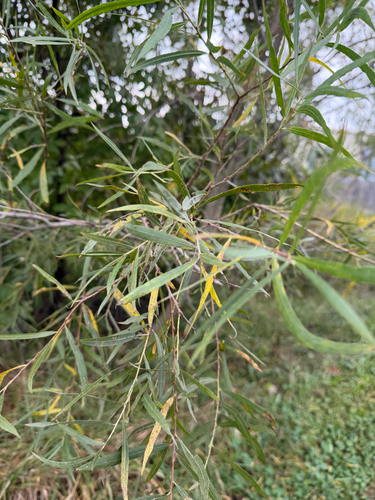
interior sandbar willow

Salix interior

SANDBAR WIL-oh

Life cyclePerennial↗

interior sandbar willow
CommonResearch grade
  • Edible0/3
  • Toxic1/3
  • Native3/3
  • Utility3/3
  • Ecology3/3
  • Allergy2/3

Effects & relationships

  • For you: Living bank armor. Fast-rooting stems stabilize streambanks and shorelines in restoration projects.↗

  • Around you: Riverside refuge. Thickets shelter birds, feed early insects and browsers, and catch sediment while slowing erosion.↗

  • Watch for: Not homemade aspirin. Willow compounds can be unsafe for some people; plant preparations are not standardized aspirin.↗

Observed
Sep 18, 2026

Scroll to discover more observations.

Copy catalog names76 unique identifications from observations with photos

One name per line, ready to paste anywhere.