- Edible1/3
- Toxic0/3
- Native3/3
- Utility3/3
- Ecology3/3
- Allergy3/3
Effects & relationships
For you: Rain-garden workhorse. Native wet-ground tree used for erosion control, furniture, basket hoops, fuel, and small wooden goods.↗
Around you: Riverbank pantry. Leaves host butterfly larvae; seeds and catkins feed birds and rodents, while deer browse young growth.↗
Watch for: Major spring allergen. Windborne birch pollen is a strong allergy source and can be involved in pollen-food cross-reactions.↗
- Observed
- Sep 16, 2026
Turn for field notes
Local field profile
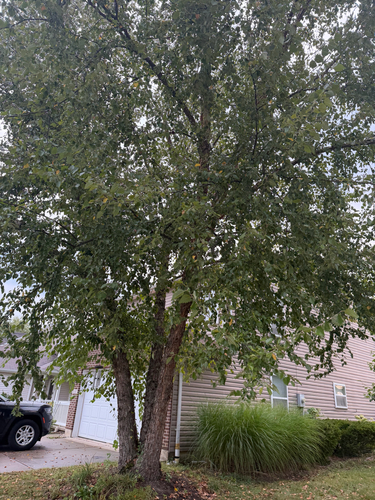
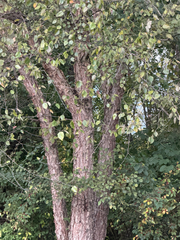
river birch
RIV-er BURCH
Betula nigraMarsh Cir, Loveland, OH, US
More of your photos (2)
From this observation and others with the same identification. Tap to view on iNaturalist.
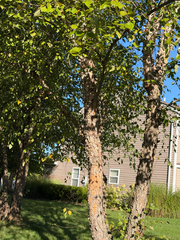
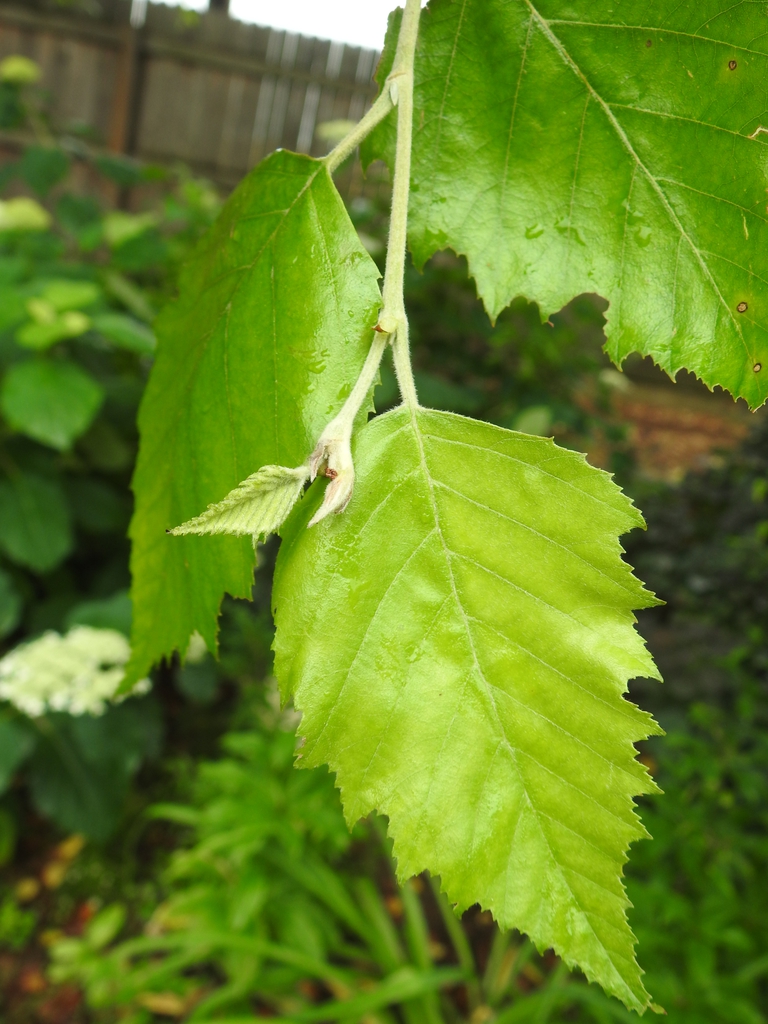
- Life cycle
- Perennial. Perennial plants live for more than two years. Perennial does not guarantee winter survival in every climate.NC State↗
- For people
- It is widely planted in rain gardens and wet landscapes; its close-grained wood has served for fuel, furniture, basket hoops, toys, and other small objects.NC State↗USFS↗NIH↗UVM↗
- Human history & craft
- River birch wood has supplied fuel, basket hoops, inexpensive furniture, toys, and small woodenware; its sap has also been fermented into birch beer. Today the tree is especially useful for wet-site landscaping and erosion control.NC State↗USFS↗
- Indigenous knowledge & use
- University of Vermont ethnobotanical notes record Catawba use of boiled river-birch buds for ringworm and sores, Cherokee use of leaves or bark preparations for digestive, cold, and urinary complaints, and Muscogee (Creek) use connected with tuberculosis. These are distinct historical records, not universal Indigenous practice or treatment advice.UVM↗
- Medicinal history
- Catawba, Cherokee, and Muscogee (Creek) records describe distinct historical preparations of buds, leaves, or bark. These accounts document cultural history, not evidence that home remedies are safe or effective.NC State↗USFS↗NIH↗UVM↗
- For the ecosystem
- Seeds and catkins feed birds and rodents, twigs and foliage are browsed by deer, and the leaves host mourning cloak and dreamy duskywing caterpillars.NC State↗USFS↗NIH↗UVM↗
- Attracts & supports
- Mourning cloak
- Dreamy duskywing
- Grouse and wild turkey
- Songbirds and rodents
- White-tailed deer
- Bottomland wildlife
Caterpillars feed on foliage, birds and rodents take seeds and catkins, deer browse young growth, and the floodplain tree contributes cover and nesting structure.NC State↗USFS↗NIH↗UVM↗
Regional context: Southwestern Ohio and eastern North America
Only documented numeric ratings appear on this card. Omitted categories have insufficient evidence.
Reference notes only—not identification, medical, or foraging advice.