Showing 12 of 48 identificationsOne card per identification. Latest observed sighting matching this filter on the front; more photos on the back. Unidentified sightings stay separate.

Rarity by worldwide iNaturalist sightings

  • Common 10,000+
  • Uncommon 1,000–9,999
  • Rare Under 1,000

How often an identification is recorded; local abundance can differ.

Field LedgerFlora

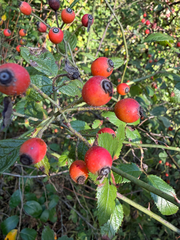
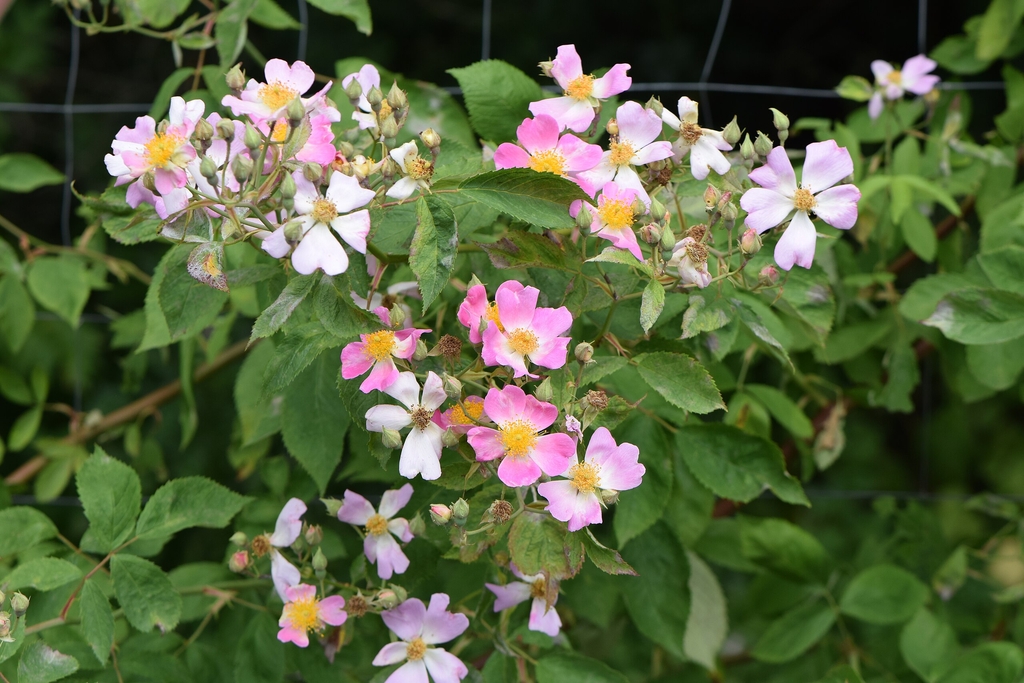
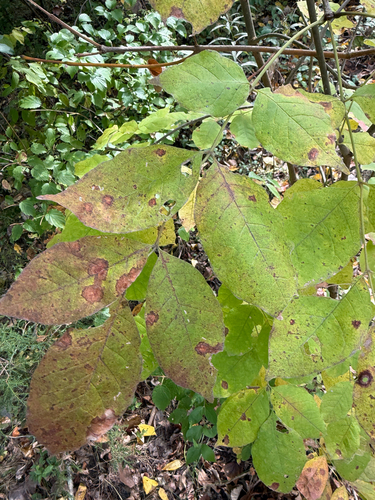
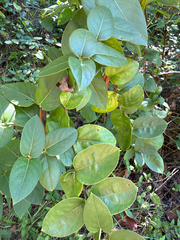
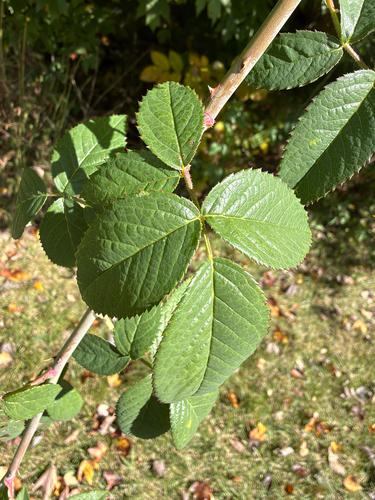
climbing prairie rose

Rosa setigera

KLY-ming PRAIR-ee ROHZ

Life cyclePerennial↗

climbing prairie rose
UncommonNeeds ID
  • Edible1/3
  • Toxic1/3
  • Native3/3
  • Utility2/3
  • Ecology3/3
  • Allergy1/3

Effects & relationships

  • For you: Living thorn fence. Prickly stems make a barrier; correctly prepared rose hips have food uses, with irritating seed hairs removed.↗

  • Around you: Shelter and supper. Flowers feed pollinators, hips feed wildlife, and prickly thickets shelter nests and escaping animals.↗

Observed
Oct 17, 2026
Field LedgerFlora

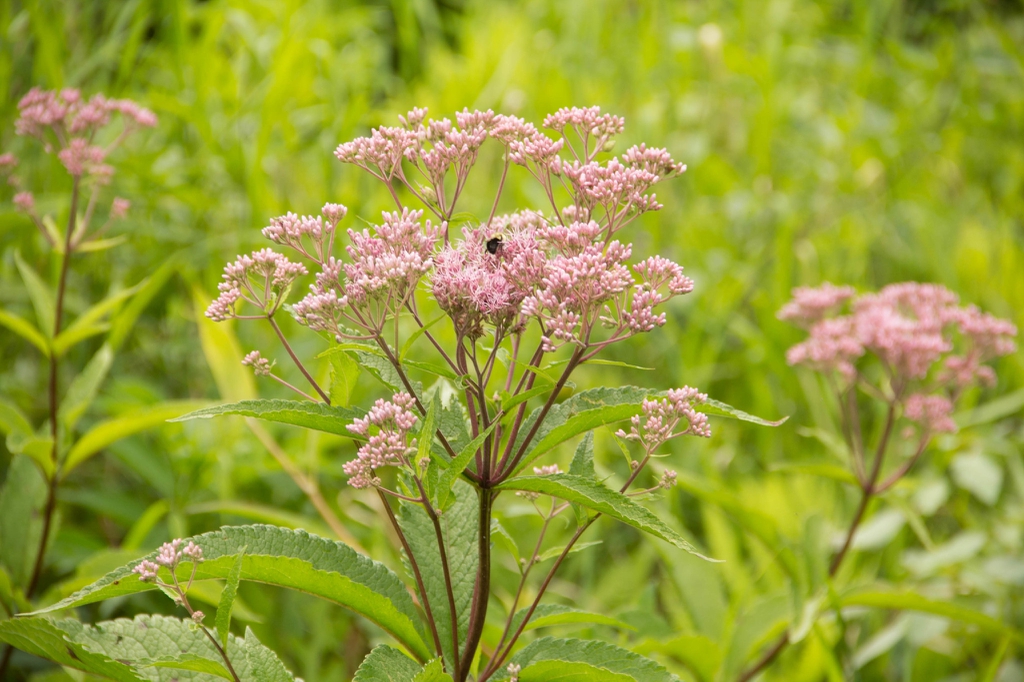
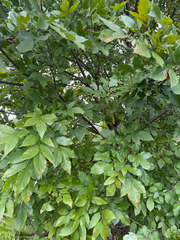
Hollow Joe-Pye Weed

Eutrochium fistulosum

yoo-TRO-kee-um fist-yoo-LOW-sum

Life cyclePerennial↗

Hollow Joe-Pye Weed
CommonNeeds ID
  • Native2/3
  • Utility1/3
  • Ecology2/3

Effects & relationships

  • For you: For people. Listed landscape uses: meadow, naturalized area, pond, woodland.↗

  • Around you: In the food web. Documented visitors: bees, butterflies, pollinators, songbirds. Visits depend on season and habitat.↗

Observed
Oct 14, 2026
Field LedgerFlora

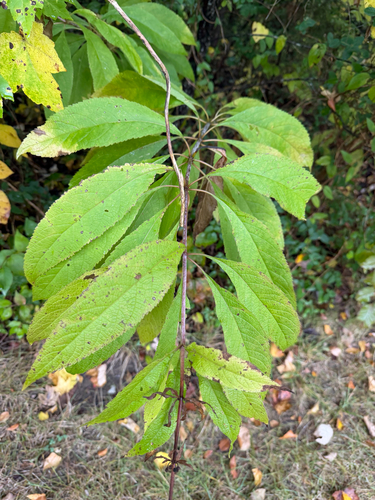
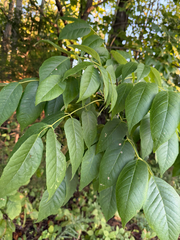
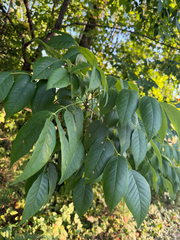
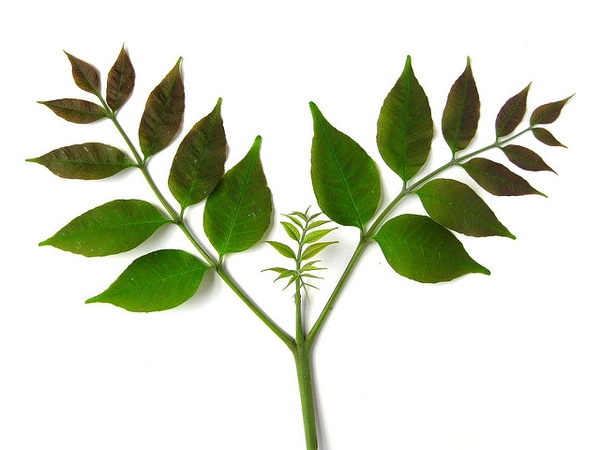
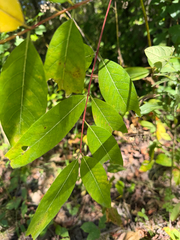
ashes

Fraxinus

ASH-iz

Life cyclePerennial↗

ashes
CommonNeeds ID
  • Edible0/3
  • Toxic0/3
  • Native2/3
  • Utility3/3
  • Ecology3/3
  • Allergy3/3

Effects & relationships

  • For you: Shock-resistant wood. Ash wood's resilience makes it useful for tool handles, bats, paddles, furniture, and baskets.↗

  • Around you: Habitat under pressure. Ash supports forest food webs; widespread loss to emerald ash borer changes canopy and habitat.↗

  • Watch for: Spring pollen. Wind-pollinated ash is a common spring allergy source and can cross-react with other olive-family pollen.↗

Observed
Oct 14, 2026
Field LedgerFlora

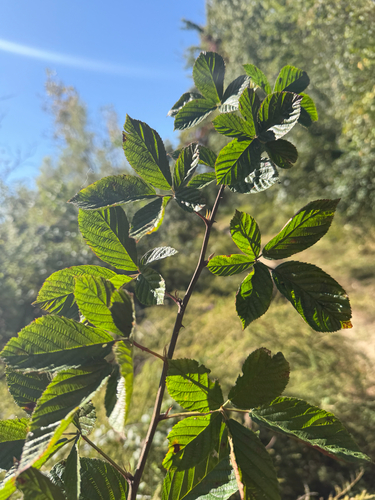
Blackberries

Rubus

ROO-bus

Life cycleNeeds species ID

Blackberries
CommonNeeds ID

Effects & relationships

  • For you: For people. The broader genus is grown for fruit and barriers. This subgenus identification does not confirm edible parts or preparation.↗

  • Around you: In the food web. The genus account records nectar for bees, fruit for birds and mammals, and thickets that shelter wildlife.↗

Observed
Oct 8, 2026
Field LedgerFlora

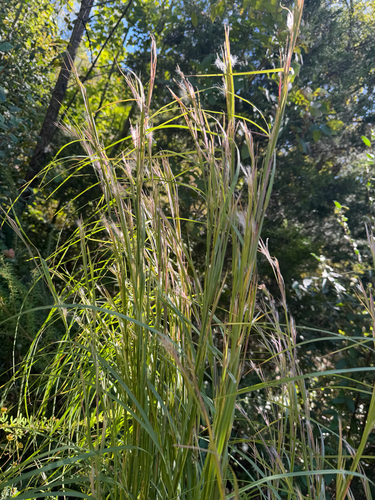
broomsedge bluestem

Anatherum virginicum

a-NAH-the-rum ver-JIN-ih-kus

Life cyclePerennial↗

broomsedge bluestem
CommonNeeds ID
  • Utility1/3
  • Ecology2/3

Effects & relationships

  • For you: For people. Listed landscape uses: meadow, naturalized area, accent, barrier.↗

  • Around you: In the food web. Documented visitors: butterflies, pollinators. Visits depend on season and habitat.↗

Observed
Oct 8, 2026
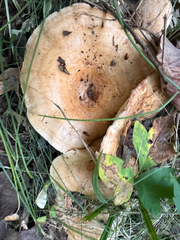
Field LedgerFungi

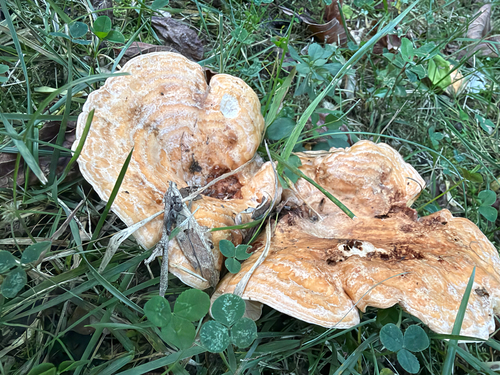
Lactarius psammicola

Lactarius psammicola
UncommonNeeds ID
  • Edible1/3
  • Ecology2/3

Effects & relationships

  • Around you: Tree-root partner. Iowa State describes the nominate form as a root-associated fungus in deciduous and coniferous woods.↗

  • For you: Read the milkcap. Latex released when damaged is a milkcap feature; a species name on a photo is not a food-safety check.↗

  • Know the context: Food record has limits. A Mexican ethnomycology study records local food use; it does not establish safe identification or preparation of this mushroom.↗

Observed
Oct 1, 2026
Field LedgerFlora

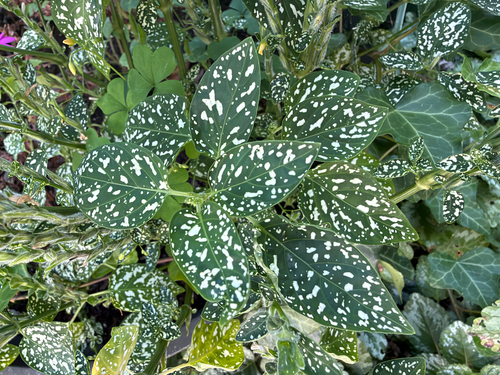
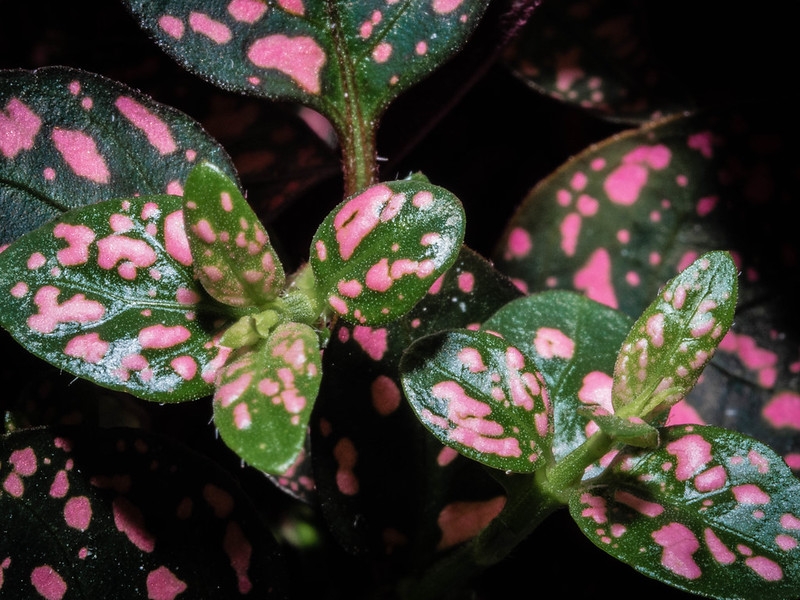
Hypoestes

Life cycleNeeds species ID

Hypoestes
CommonNeeds ID
  • Native0/3

Effects & relationships

  • For you: Houseplant relative. Polka dot plant is one member grown in containers and terrariums; the photographed species is not confirmed.↗

  • Know the context: Species sets the story. A genus ID does not establish this plant's wildlife partners, food use, or toxicity.↗

Observed
Sep 27, 2026
Field LedgerFlora

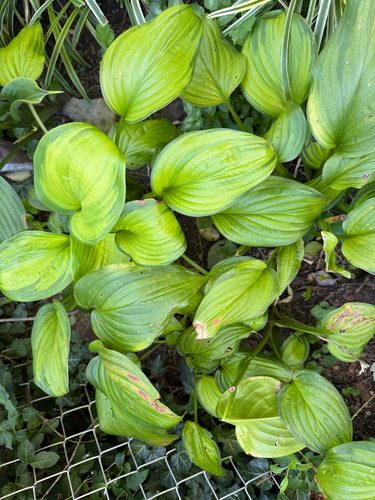
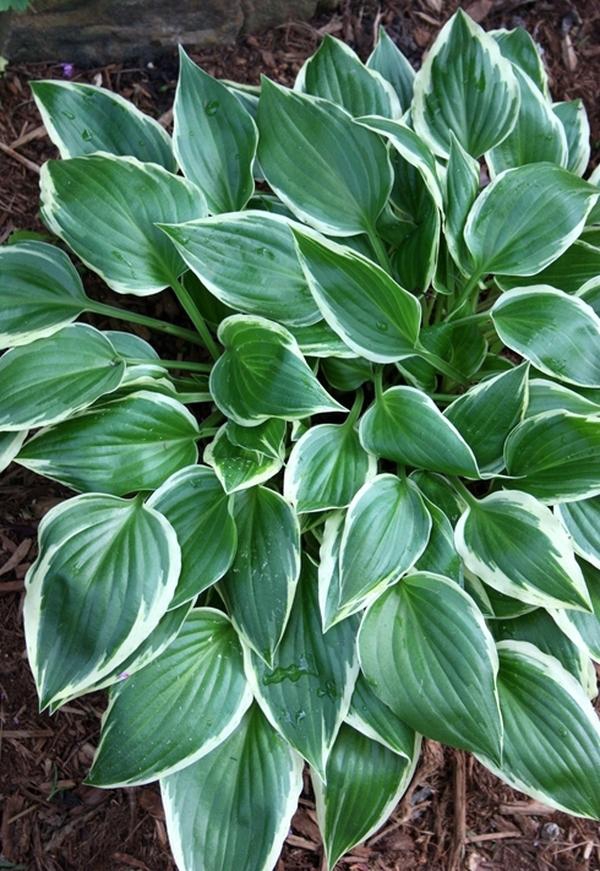
hostas

Hosta

HOS-tah

Life cyclePerennial↗

hostas
CommonNeeds ID
  • Native0/3
  • Utility1/3
  • Ecology2/3

Effects & relationships

  • For you: Shade-garden structure. Hostas have border and mass-planting uses; species and cultivars differ within this East Asian genus.↗

  • Around you: Flower visitors. Bees, butterflies, and hummingbirds are documented visitors; exact relationships vary by hosta species.↗

  • Watch for: Pet-exposure warning. NC State flags hostas as a problem for cats, dogs, and horses; this is not a human-toxicity rating.↗

Observed
Sep 27, 2026
Field LedgerFlora

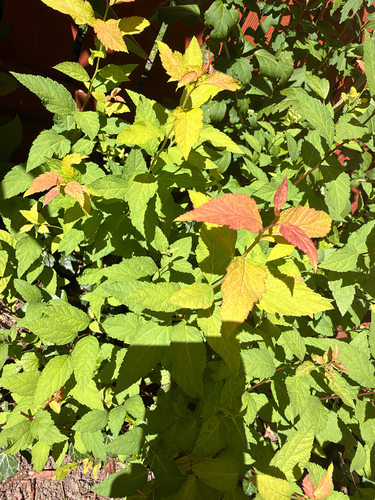
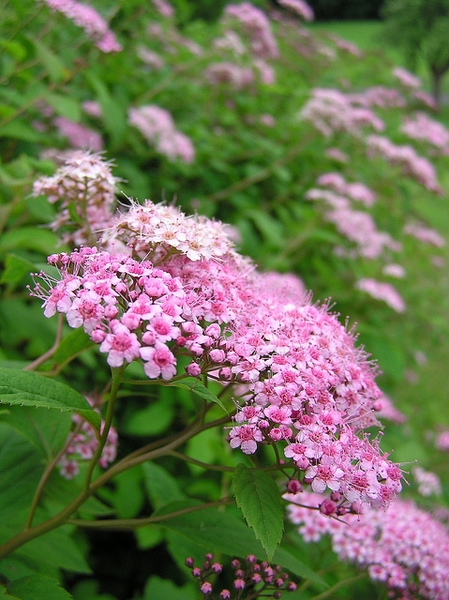
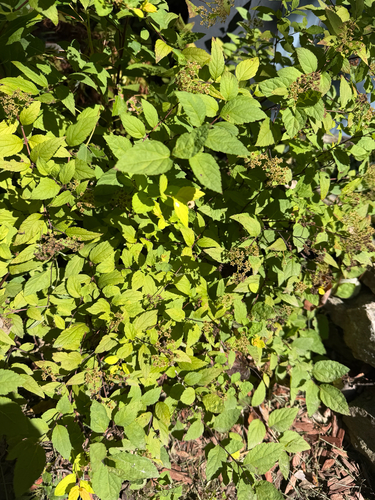
Japanese Spirea

Spiraea japonica

spy-REE-ah juh-PON-ih-kuh

Life cyclePerennial↗

Japanese Spirea
CommonNeeds ID
  • Native0/3
  • Utility1/3
  • Ecology1/3

Effects & relationships

  • For you: Ornamental pedigree. The Goldmound cultivar has hedge, border, and specimen uses; the card does not identify that cultivar.↗

  • Around you: Spread changes the tradeoff. Invasive behavior is documented in parts of its introduced range; butterfly visits do not remove native-plant displacement risk.↗

Observed
Sep 27, 2026
Field LedgerFlora

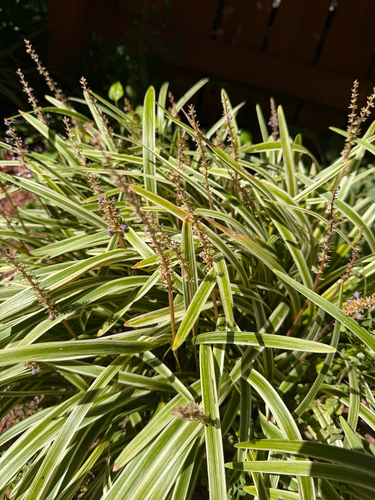
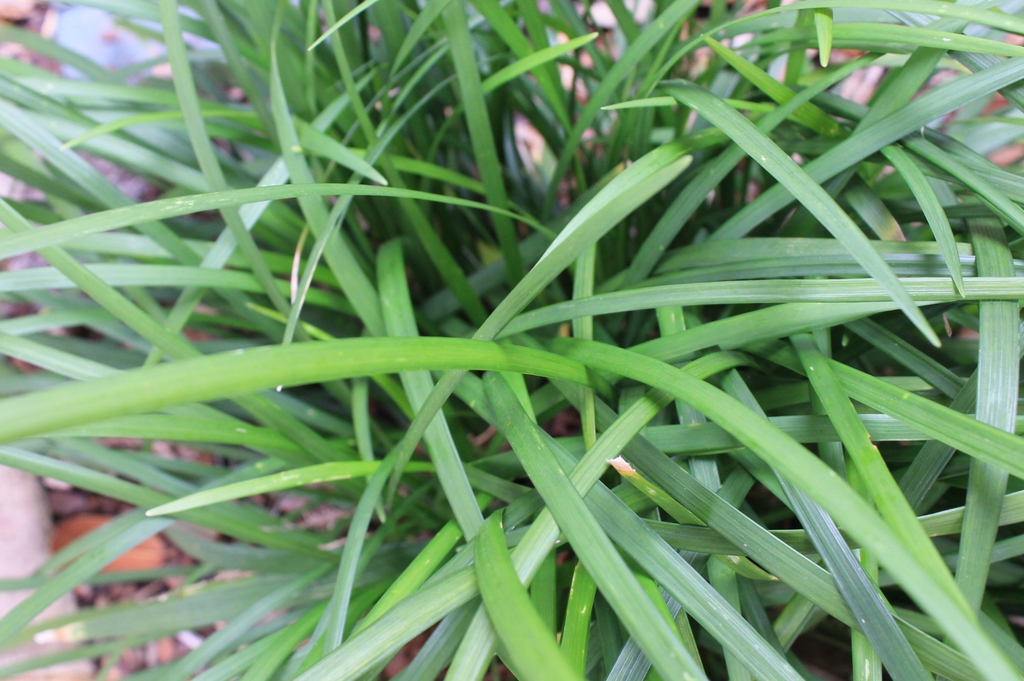
Liriope

Liriope muscari

lih-RY-oh-pee mus-KAR-ee

Life cyclePerennial↗

Liriope
CommonNeeds ID
  • Native0/3
  • Utility1/3
  • Ecology1/3

Effects & relationships

  • For you: Landscape edging. Used around containers, patios, and walkways; deer and rabbit resistance does not establish wildlife food value.↗

  • Around you: Regional spread concern. Georgia Extension lists invasive behavior and native-plant displacement; the concern is region-specific.↗

Observed
Sep 27, 2026
Field LedgerFlora

Dicots

Magnoliopsida

DYE-kots

Life cycleNeeds species ID

Dicots
CommonNeeds ID

Effects & relationships

  • Know the context: Identification first. This broadleaf-plant class includes both food crops and dangerous poisons; the photographed plant needs a narrower ID.↗

  • Know the context: Relationships unresolved. The group is too broad to name this plant's wildlife partners or useful properties.↗

Observed
Sep 27, 2026
Field LedgerFlora

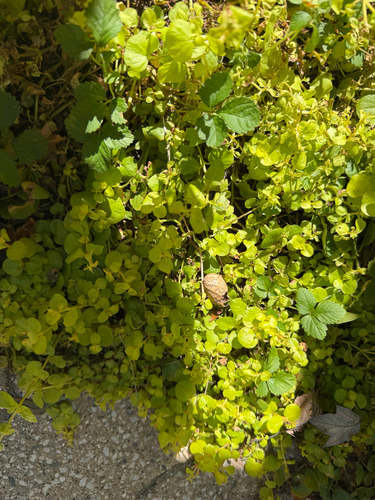
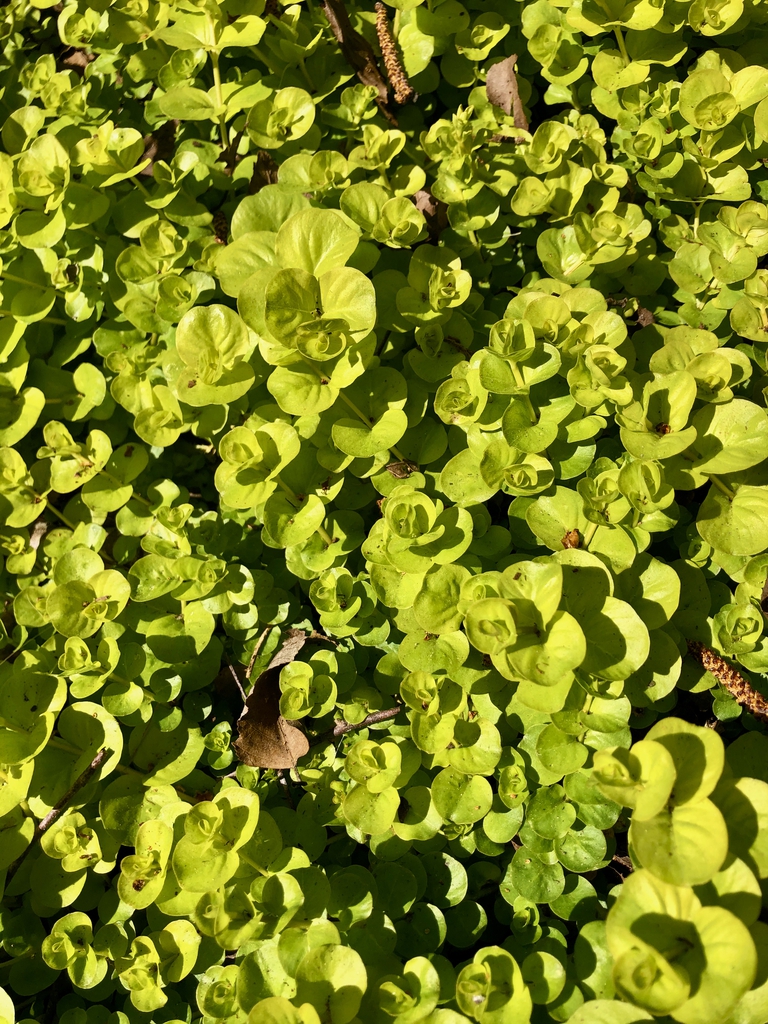
creeping Jenny

Lysimachia nummularia

lis-ih-MAK-ee-ah num-ew-LAH-ree-uh

Life cyclePerennial↗

creeping Jenny
CommonNeeds ID
  • Native0/3
  • Utility1/3
  • Ecology1/3

Effects & relationships

  • For you: Container groundcover. Used in pots, hanging baskets, and pond-side landscaping; ornamental use is not a reason to spread it.↗

  • Around you: Escaped garden carpet. Invasive behavior is documented in parts of its introduced range, with native vegetation at risk of displacement.↗

Observed
Sep 27, 2026

Scroll to discover more observations.

Copy catalog names76 unique identifications from observations with photos

One name per line, ready to paste anywhere.